Tags
Blogroll
OVERVIEW
One shouldn’t believe it, but the world’s oceans contain the biggest lithium reserves on earth. This is due to a low but widespread concentration of the element in the seawater. South Korean researchers and companies are already working accessing this source.
Whereas the concentration of lithium contained in brine from South American lakes is ten thousand times higher, the quantity of lithium contained in the oceans exceeds the reserves on land by far. According to the Institute of Ocean Energy at Saga University in Japan, the total lithium quantity in the oceans amounts to 230 billion tons. In view of the importance of its domestic battery production, the South Korean government is therefore subsidizing a pilot project on the extraction of lithium from seawater with approx. 28 million USD. The plant will provide initial data on the extraction of the sought-after material and will be commissioned this year.
The worldwide efforts of researchers and industry are an indication of the growing importance of this raw material. In addition to their application in mobile electronic devices, lithium batteries will increasingly be used mainly for energy storage, combined with renewable energies in stationary applications, or as traction batteries for electric vehicles.
The amount of lithium carbonate required for the production of a smartphone battery is just 5 grams, while the battery of an electric vehicle contains up to 30 kg of the material. If electric vehicles with integrated lithium traction batteries prevail against vehicles with conventional combustion engines, the demand for battery-grade lithium will significantly increase again. As a result, this would further boost the prices of lithium carbonate, which already doubled on average from 3,000 USD/ton in 2005 to 6,000 USD /ton in 2012, and enable the mining companies to increase their activities.
To speak of a gold-rush mood would be exaggerated – yet driven by an increased awareness of the battery storage industry for the issue the mining industry is scouting for new lithium sources. What role the recycling of used batteries could play in the future remains an open question.
I also edited this article for „ees International – The Electrical Energy Storage Magazine“, where it has also been published.
Related Posts
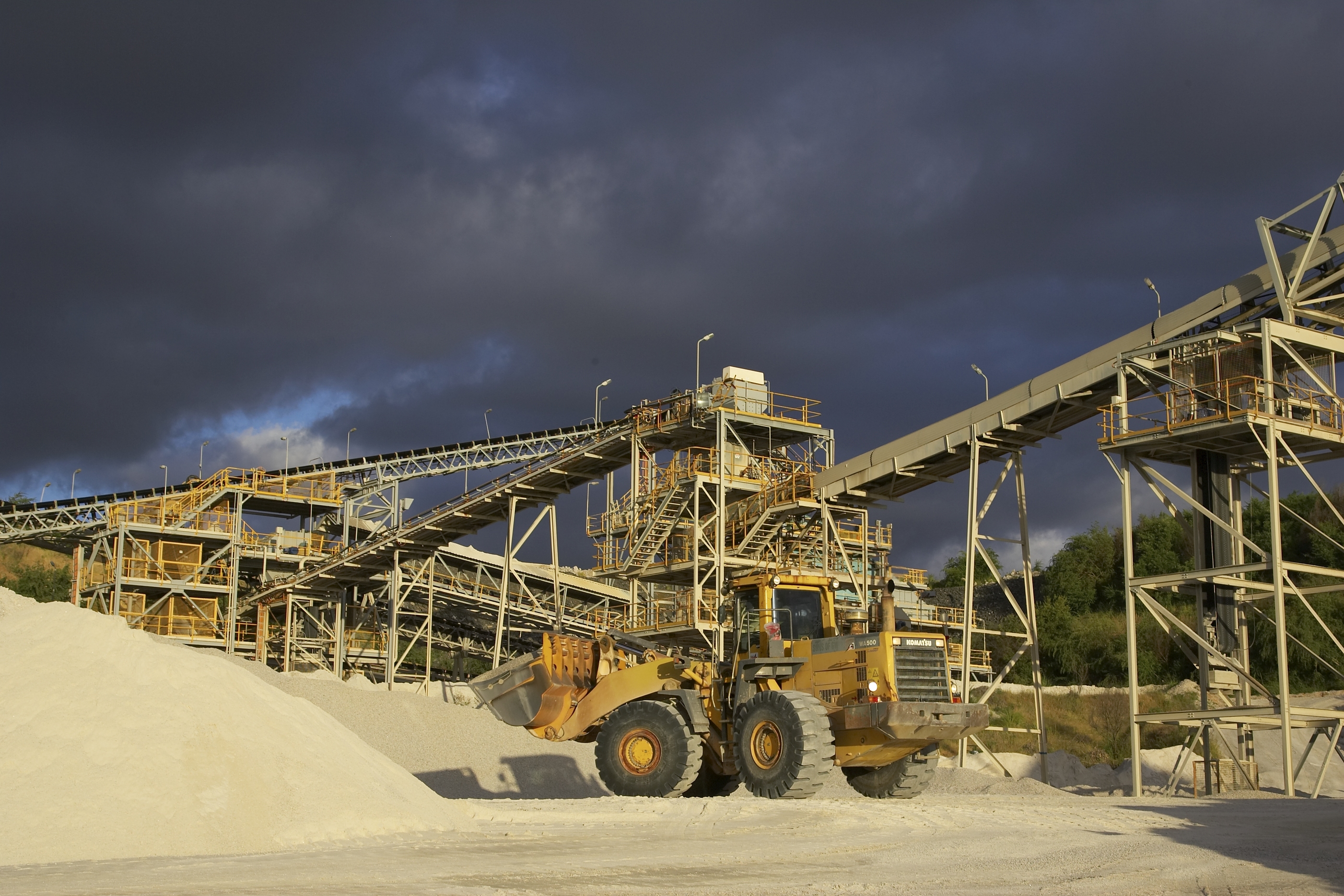
What truth lies behind the debate on the scarcity of the raw material lithium, which is increasingly important for the battery industry? Time after time the future availability of the commodity is questioned – mainly under the premise that the market for electric vehicle will gain increasing importance in the mid-term. Moreover experts disagree about… read more
The service life of energy storage solutions depends not only on cell chemistry but also on external influences. Properties which are a must for rechargeable batteries in consumer electronics and mobile applications are less relevant in stationary batteries such as solar energy storage systems. Factors like ambient temperature, depth of discharge and cycle stability have… read more
