Tags
Blogroll
Current Articles
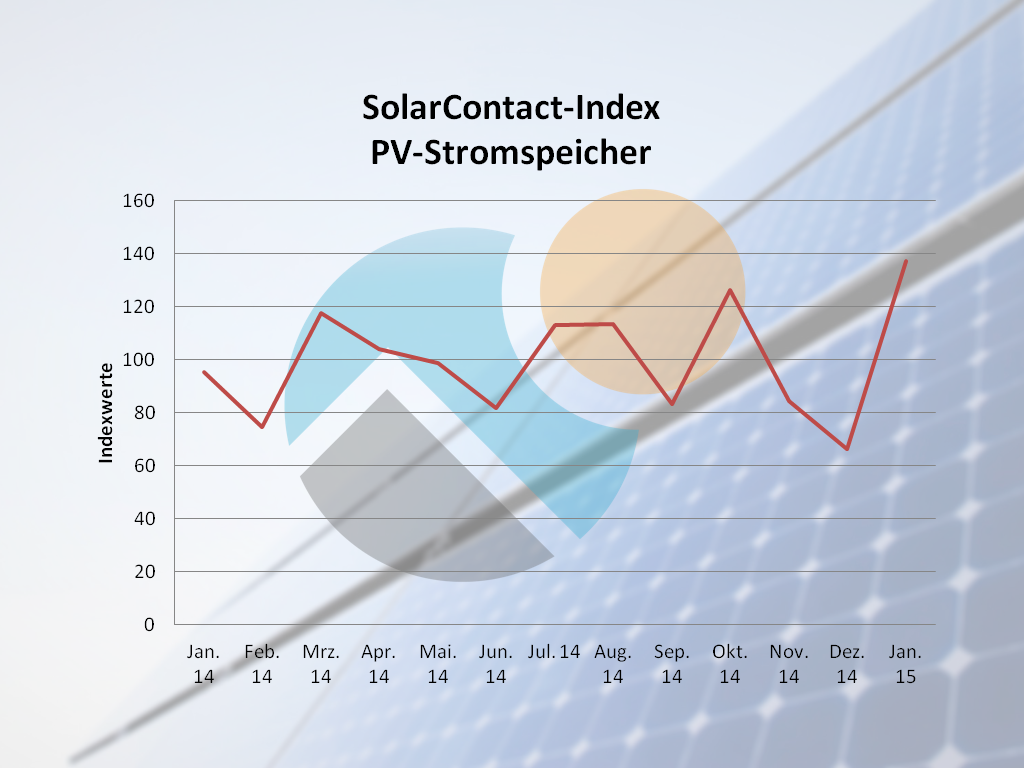
Electricity storage systems are seen as the way forward in reducing end user dependency on government PV subsidies and promoting further growth in the photovoltaics industry. The market’s continuous gain in momentum has now also been confirmed by the SolarContact-Index, which evaluated online interest in PV electricity storage systems in 2014. While 2014 got off… read more
Especially lithium iron phosphate batteries feature high cycle stability resulting from very short charging times and the ability to emit high discharge voltages – Properties that are required particularly in electric mobility and have been field-tested for years. Many electric vehicles use this technology as traction batteries. In 2010 the Chinese battery and vehicle manufacturer… read more
Stationary storage systems based on Lithium iron phosphate (LiFePO4) are very durable thanks to the chemical properties of their cells and in constant environments. Similar to the genes and individual living conditions which influence a person’s life span, the service life of a battery system is affected by the chemical compound in the cell as… read more
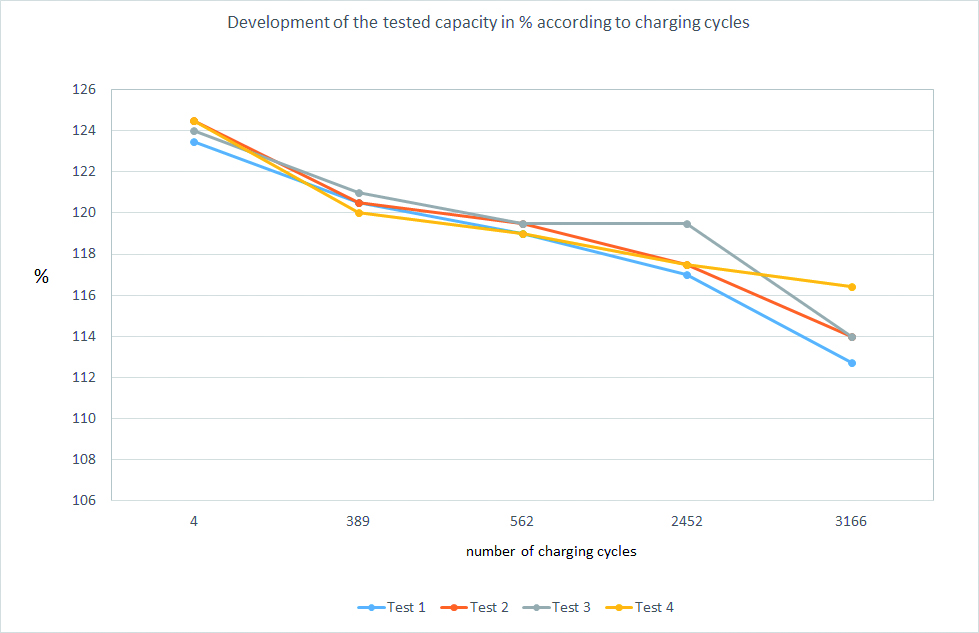
The service life of energy storage solutions depends not only on cell chemistry but also on external influences. Properties which are a must for rechargeable batteries in consumer electronics and mobile applications are less relevant in stationary batteries such as solar energy storage systems. Factors like ambient temperature, depth of discharge and cycle stability have… read more
The view that photovoltaic installations combined with battery storage systems won’t make financial sense for a few more years, which has been voiced by consumer protection organizations, can now be considered to be outdated. The first suppliers to offer what they believe to be cost-effective battery systems are flocking to Intersolar in Munich, Europe’s largest… read more
The future of our energy supply is in the hands of renewable energy. Since there is not only a disparity between energy generation and consumption in terms of location but also in terms of time, as the proportion of renewable energy in the overall amount of power generated grows so does the need to store… read more
PV systems with integrated battery solutions either feed the power generated from the PV panel into the electrical system in the home and into the battery system for self-consumption improvement or into the grid. How does the inverter know which energy flow to choose for streaming the electricity? What are the criteria this is depending… read more
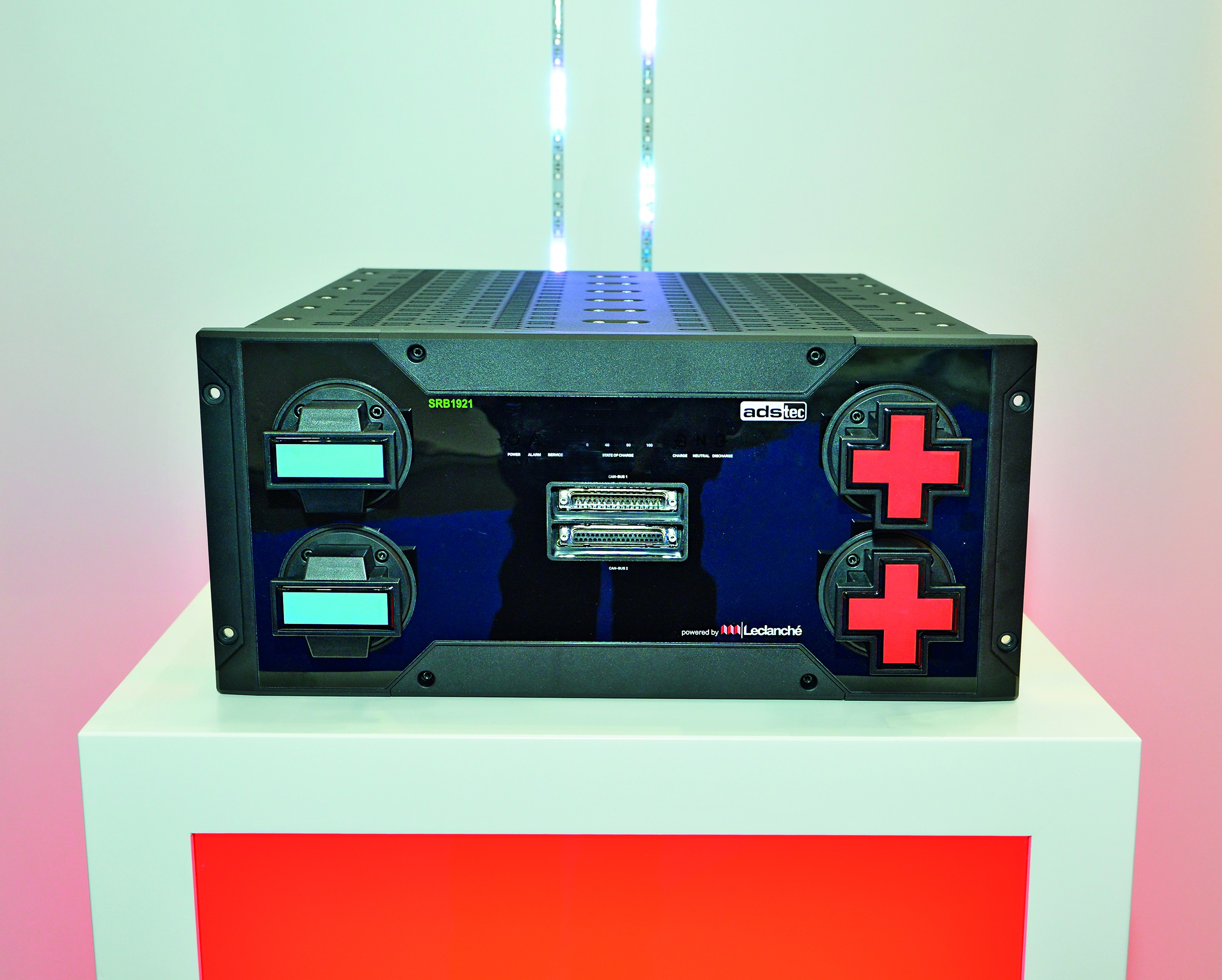
Those who equip photovoltaic installations with a storage system are mostly interested in increasing the on-site consumption of generated solar power. However, people often forget to consider that these kinds of battery systems only reveal their full potential through their multiple uses. In addition to allowing operators of photovoltaic installations to significantly increase on-site consumption,… read more

Since May 1, the German government has been supporting the purchase of solar storage systems by awarding grants of up to €660 per kilowatt (kW) of a solar system’s installed capacity. It is important to note that the subsidy must be applied for via your principal bank before the storage system has been bought. Government… read more
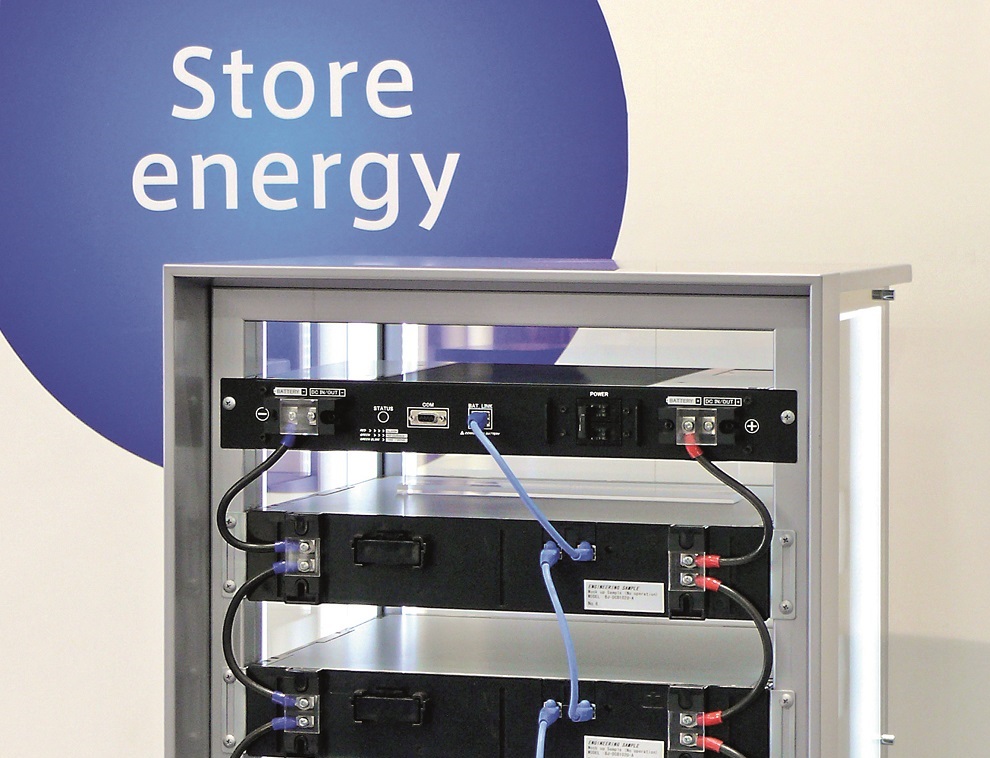
Interest in solar installations with storage systems is rising because these systems reduce consumer dependency on utility companies. So far, there has been little investment into the new technology due to high battery costs – but this may soon change: Thanks to higher production rates and technical advances, costs are sinking fast. It’s always the… read more
